
The Australian government has filed court documents alleging that manufacturing giant 3M possessed knowledge of serious health and environmental risks associated with its firefighting products more than half a century ago, yet continued distributing these materials to Australian defense facilities.
The allegations form the foundation of a two billion dollar lawsuit, representing the largest legal action ever brought by the Australian federal government against a private corporation. At issue are per- and polyfluoroalkyl substances, commonly known as PFAS or “forever chemicals,” which earned their nickname due to their persistence in the environment and human body.
According to commonwealth lawyers, internal company documents demonstrate 3M understood its aqueous film-forming foam products remained present in water and soil indefinitely, accumulated in human and animal tissue, and contributed to a range of adverse health outcomes. The documented health concerns include reduced kidney function, compromised immune response, fertility complications, disrupted puberty development, and lower birth weights in infants.
Attorney General Michelle Rowland announced the legal action in May, targeting both 3M and its Australian subsidiary for chemical contamination at twenty-eight military installations across the nation. The government seeks damages exceeding two billion Australian dollars, equivalent to approximately one point four billion in United States currency.
The statement of claim filed in federal court outlines the government’s position that 3M’s Australian operations should have recognized the hazards associated with these firefighting foams no later than the early 1970s. The chemicals in question were used extensively at defense bases for decades before concerns about their persistence and toxicity gained widespread attention.
Australia banned three key PFAS chemicals last year following prolonged concerns about environmental contamination and public health risks. The decision reflected growing international awareness of the dangers posed by these synthetic compounds, which resist natural breakdown processes and accumulate over time.
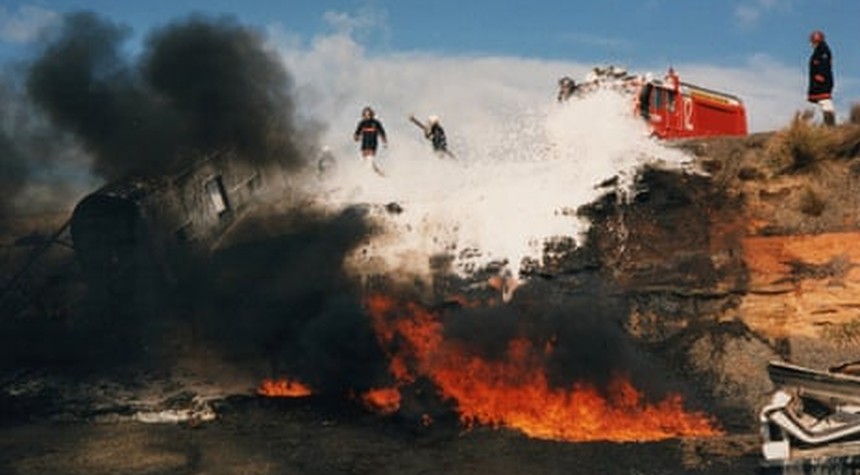
The case represents a significant moment in environmental litigation, as governments worldwide grapple with the legacy of industrial chemicals once considered technological advances. PFAS compounds were valued for their ability to suppress petroleum-based fires, making them particularly attractive for military and aviation applications. However, their very stability, the characteristic that made them effective firefighting agents, now presents an enduring environmental challenge.
The contamination at Australian defense sites has required extensive remediation efforts and raised concerns about water supplies in surrounding communities. The government’s legal action seeks to recover costs associated with cleanup operations and address ongoing environmental damage.
3M faces similar legal challenges in multiple jurisdictions as the scope of PFAS contamination becomes clearer. The Australian case stands out for its scale and the explicit allegations regarding the company’s knowledge of potential harm dating back five decades.
The federal court will now examine evidence regarding what 3M knew about its products, when the company acquired this knowledge, and what actions were taken or not taken in response to internal warnings. The outcome could establish important precedents for corporate responsibility in cases involving long-term environmental contamination and delayed health effects.
This legal battle underscores the complex relationship between industrial innovation and unforeseen consequences, a pattern that has repeated throughout modern history as the long-term impacts of new technologies and chemical compounds reveal themselves only after widespread deployment.
Related: Pentagon Redirects Middle East Logistics to Indian Ocean Outpost After Iran Attack