
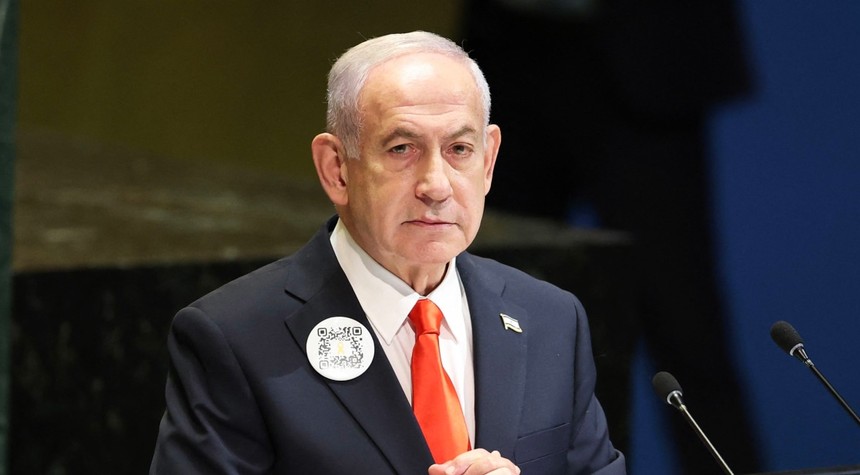
Israeli Prime Minister Benjamin Netanyahu delivered his address to the United Nations General Assembly on Thursday, but the true audience for his remarks sat thousands of miles away in Tel Aviv and Jerusalem, where voters will head to the polls next month in what may prove a decisive election for the embattled leader.
The prime minister’s visit to New York represented a truncated diplomatic mission, with notably few bilateral meetings scheduled on the sidelines of the assembly. President Donald Trump remained focused on his upcoming summit with Chinese President Xi Jinping, leaving Netanyahu with limited opportunities for high-profile diplomatic engagements. The prime minister planned to return to Israel immediately following his address to observe Sukkot, the major Jewish holiday beginning Friday evening.
Before departing Israel, Netanyahu framed his mission in stark terms. “I am leaving tonight for New York in order to defend, from the U.N. podium, Israel and IDF soldiers,” he stated in a video message. “You hear the terrible lies that are being spread there.”
The speech unfolded before a chamber that observers expected to be largely empty, as delegates honored an annual tradition of walking out in protest over Israel’s conduct during the Gaza conflict. Yet this very spectacle served Netanyahu’s domestic political purposes. Among his core supporters, the prime minister has cultivated an image as an unyielding defender of Israeli interests, willing to speak uncomfortable truths regardless of international opinion.
The international community has broadly condemned the substantial civilian casualties and ongoing humanitarian crisis in Gaza. Netanyahu’s political vulnerability at home, however, stems not from critics who consider his military response excessive, but rather from right-wing factions who accuse him of insufficient force in Israel’s multifront conflict with Iran and its proxy organizations.
Ephraim Ganor, an expert in political and strategic affairs, wrote in the Israeli newspaper Ma’ariv that domestic considerations clearly drove the trip. “The main reason that brings him to the UN General Assembly this time is the opportunity to talk, using the UN microphone, to his voters in Israel, in his polished English, in a speech that of course will be accompanied by exaggerated descriptions of his great achievements.”
The preview Netanyahu provided of his speech emphasized populist themes designed for home consumption. In a video posted earlier in the week, the prime minister directly confronted New York Mayor Zohran Mamdani, who had pledged to arrest Netanyahu for crimes against humanity before acknowledging he lacked legal jurisdiction to do so.
Adopting an unusually confrontational posture, Netanyahu accused the mayor of supporting Hamas, a charge Mamdani has firmly denied, and of fomenting violence against Jewish residents of New York. The prime minister promised to “tell the truth” about both the mayor and Israeli soldiers.
When asked about these comments, Mamdani responded by noting that Israeli military operations had killed an eleven-year-old boy in what had been designated a safe zone in Gaza.
This exchange encapsulated the broader challenge facing Netanyahu: managing international criticism while maintaining support among Israeli voters who will ultimately determine his political future. Whether his performance at the United Nations translates into electoral success remains to be seen, but the intended audience was never in doubt.
Related: American Military Turns to Ukrainian Drone Technology Following Iranian Attacks