
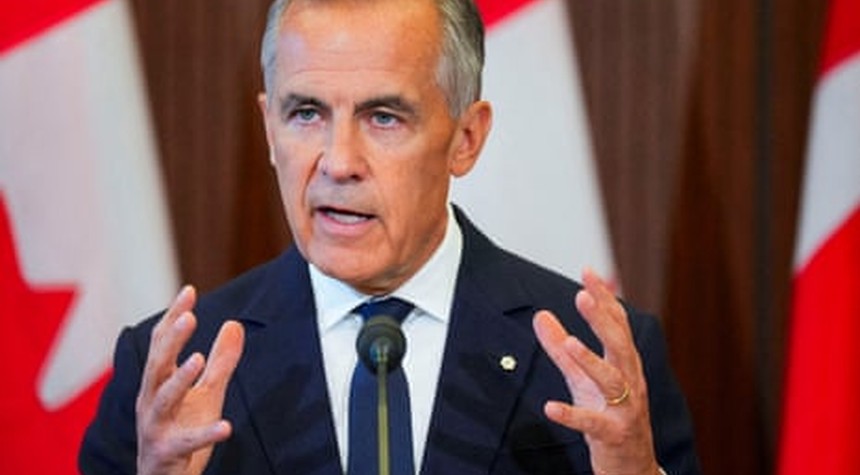
Canada’s governing Liberal Party secured victories in three parliamentary byelections Monday evening, results that party leaders interpreted as vindication of Prime Minister Mark Carney’s confrontational stance toward the United States in ongoing trade negotiations.
The Canadian Press projected Liberal wins in three geographically diverse districts: Chicoutimi-Le Fjord in Quebec, Beaches-East York in Toronto, and North Vancouver-Capilano in British Columbia. The outcomes increase the Liberal caucus to 173 seats in the 343-member House of Commons.
“At this consequential time for Canada, voters have placed their trust in our government’s plan,” Carney said in a statement released shortly after the projections.
The most significant result came from Chicoutimi-Le Fjord, where Liberal candidate Daniel Gobeil captured a seat held by opposition Conservatives since 2018. The district, home to aluminum producers and dairy operations directly affected by escalating tariffs, witnessed a dramatic political realignment. Conservative support collapsed from approximately 41 percent in last year’s federal elections to roughly 13 percent, placing the party third.
“This victory means we can maintain Canadian unity all across the country,” Gobeil stated.
The byelections occurred against the backdrop of deteriorating US-Canadian relations. Trade negotiations between the two nations collapsed on August 21st after both sides failed to reach agreement. President Trump subsequently imposed 50 percent tariffs on approximately $20 billion worth of Canadian goods. Canada responded with retaliatory measures targeting American products.
Trump has intensified pressure on Canada since the talks failed, signing an executive order renaming Lake Ontario as “Lake America” and repeatedly suggesting Canada should become America’s 51st state. Treasury Secretary Scott Bessent remarked Monday that Canada possessed limited leverage given the American economy is roughly thirteen times larger.
Liberal MP Hedy Fry characterized the election results as a message to Washington. “The United States is getting a message tonight,” she told the Canadian Broadcasting Corporation. “Our leader has the support of the Canadian people.”
In British Columbia, Braeden Caley, Carney’s former deputy chief of staff, won North Vancouver-Capilano. Both the British Columbia and Toronto seats had previously been held by Liberal members who resigned earlier this year, necessitating the byelections.
Political analysts suggested the results demonstrated Carney’s ability to maintain support across Canada’s diverse regions. Daniel Béland, a political science professor at McGill University, identified the Quebec outcome as particularly significant.
“The easy win in Chicoutimi-Le Fjord probably reflected, in part, the popularity in Quebec of Carney’s decision to pull the plug on trade negotiations with the White House,” Béland observed.
He characterized the Conservative performance in that district as particularly troubling for opposition leader Pierre Poilievre. “These numbers do look bad,” Béland said.
The byelection results come as Carney has accelerated efforts to establish economic partnerships beyond the United States, pursuing deeper ties with European nations and other trading partners.
Carney initially won Canada’s federal election last year amid public frustration with Trump administration policies. Monday’s byelection outcomes suggest that support has solidified rather than eroded as bilateral tensions have intensified, providing the prime minister with what he and his party are characterizing as a mandate to continue current policies.
The question now facing both capitals is whether these electoral results will influence the trajectory of negotiations or further entrench existing positions in what has become an increasingly contentious relationship between the two North American neighbors.
Related: Conservation Efforts Yield 90 Kakapo Chicks as World’s Rarest Parrot Species Shows Signs of Recovery