
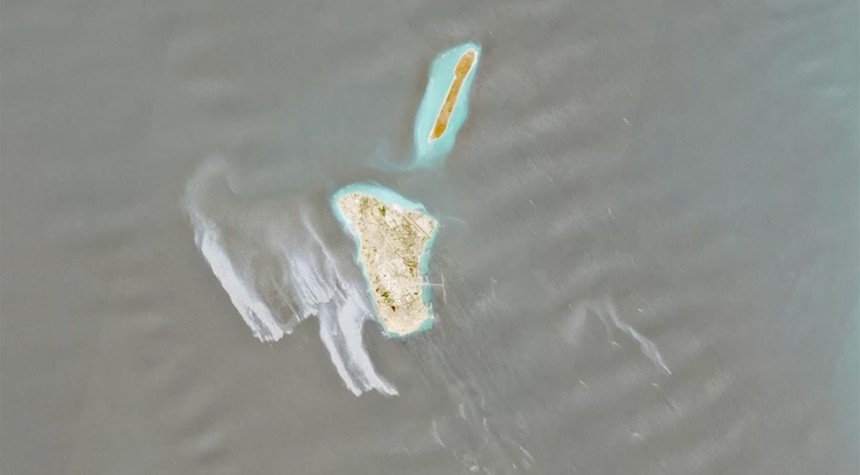
A second suspected oil slick has been detected near Iran’s Kharg Island export hub, according to maritime intelligence firm Windward AI, raising serious concerns about an environmental disaster in the Persian Gulf as tensions continue in the Strait of Hormuz.
The new slick was identified at approximately 11 a.m. local time, covering an estimated 12 to 20 square kilometers of visible area. This discovery comes just days after a larger spill was first identified on May 8, which continues its southwestward drift toward Saudi Arabian waters.
The initial slick, estimated at tens of thousands of barrels and covering approximately 65 square kilometers according to the U.N. University Institute for Water, Environment and Health, has prompted United Nations officials to issue warnings about the potential for environmental catastrophe in the region.
While Tehran has attributed the spills to foreign vessels, maritime experts present a different assessment. The evidence points more convincingly toward aging infrastructure, pipeline ruptures, or the deteriorating conditions created by what some are calling a “war mode” environment that has gripped the vital waterway since February.
Dr. Kaveh Madani, a U.N. official monitoring the situation, emphasized the need for vigilance. The slick’s movement toward the southwest of Kharg Island requires careful observation, particularly given the area’s heavy concentration of pipelines and energy infrastructure. Should the spill expand or drift toward population centers, desalination operations would need to be halted, though Dr. Madani assessed the current risk as low.
The broader context reveals a troubling reality. International sanctions have made maintaining infrastructure systems extraordinarily difficult for Iran even during peacetime. Under current conflict conditions, the likelihood of a major accident increases substantially.
The Persian Gulf’s slow water circulation patterns compound these concerns. Pollution in these waters persists for extended periods, a phenomenon witnessed during previous Gulf wars and the Iran-Iraq War. The consequences extend beyond immediate environmental damage, affecting coastal communities, the fishing industry, marine life, and critically, the intake systems of desalination plants that provide fresh water to millions in the region.
The strategic importance of Kharg Island cannot be overstated. As Iran’s primary oil export terminal, it serves as a crucial node in global energy markets. Any significant disruption to operations there reverberates through international oil prices and supply chains.
The timing of these incidents proves particularly concerning given the ongoing crisis in the Strait of Hormuz, through which roughly one-fifth of the world’s petroleum passes. The convergence of geopolitical tensions, aging infrastructure, and environmental vulnerability creates a situation demanding international attention.
As satellite imagery continues to track the movement of both slicks, the international community faces questions about response capabilities and responsibilities. The slow-moving nature of this potential disaster allows for preparation, but also tests the resolve of nations to address environmental threats even amid political and military tensions.
The situation remains fluid, with maritime intelligence firms and U.N. officials maintaining close surveillance of both the existing and newly detected oil slicks in the coming days.
Related: Mexican Army Stands By as Cartel Gunmen Attack Funeral Procession in Sinaloa