
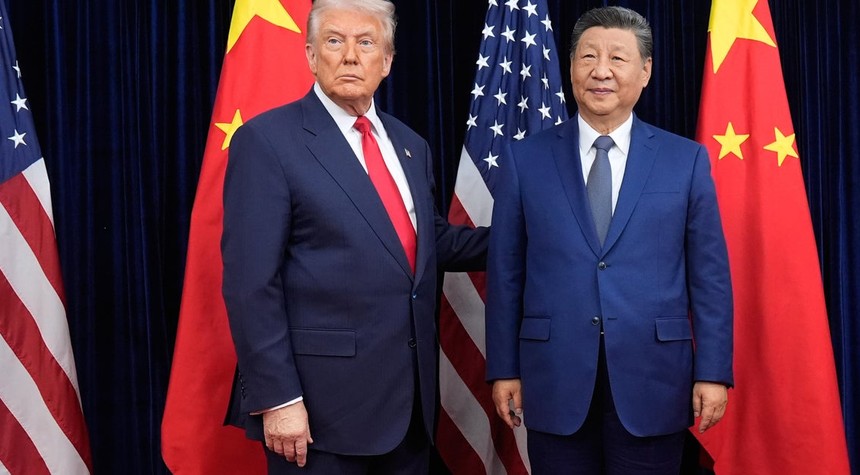
President Trump’s upcoming arrival in Beijing for talks with President Xi Jinping marks a potentially pivotal moment in American-Chinese relations, though not for the reasons many observers might expect. While conflict in Iran and disruptions to global shipping through the Strait of Hormuz dominate headlines across much of the world, the Chinese leadership has made clear that Taiwan remains their paramount concern.
The island democracy of Taiwan, situated in the western Pacific Ocean, represents perhaps the most sensitive pressure point in the relationship between Washington and Beijing. China has long claimed sovereignty over Taiwan, and for decades, American policy has walked a careful line of what diplomats term “strategic ambiguity.” The United States has neither confirmed nor denied whether it would respond with military force should China move against the island.
Yet this ambiguity has existed alongside substantial American military support for Taiwan’s defense. Over the past several decades, the United States has provided more than fifty billion dollars in arms sales to Taiwan, enabling the island to develop what military strategists call asymmetric capabilities against potential Chinese aggression.
The situation has grown more complex in recent months. Late last year, the United States approved an eleven billion dollar arms package for Taiwan, the largest such sale on record. The decision drew sharp criticism from Beijing. Now, an even more substantial package awaits presidential approval, this one valued at fourteen billion dollars.
What makes this moment particularly significant is not merely the size of the proposed arms sale, but President Trump’s stated willingness to discuss the matter directly with President Xi during their summit. This represents a departure from established American practice. No previous American president has treated Taiwan arms sales as a negotiable item in direct talks with Chinese leadership.
The policy framework governing these sales dates to the Reagan administration, which established clear principles regarding American support for Taiwan’s defensive capabilities. Those principles have guided American policy through multiple administrations of both political parties. They have been understood as non-negotiable elements of American commitment to stability in the Pacific region.
The potential implications of treating such sales as bargaining chips merit serious consideration. Taiwan’s twenty-three million citizens have built a vibrant democracy and a prosperous economy. The island serves as a critical partner in the global technology supply chain and occupies a strategic position in the western Pacific. American credibility with allies throughout the Indo-Pacific region rests in part on the perception that Washington’s commitments can be relied upon.
The summit in Beijing will test whether the Trump administration views Taiwan policy through the lens of broader strategic competition with China or as one element among many in a complex bilateral relationship that might be adjusted through negotiation. The answer to that question will resonate far beyond Taiwan itself, affecting American relationships with Japan, South Korea, Australia, and other Pacific allies who look to Washington for leadership in maintaining regional stability.
As this summit approaches, the world watches to see whether American policy toward Taiwan will maintain its decades-long consistency or enter uncharted territory.
Related: Three Hikers Dead After Defying Safety Restrictions at Indonesian Volcano