
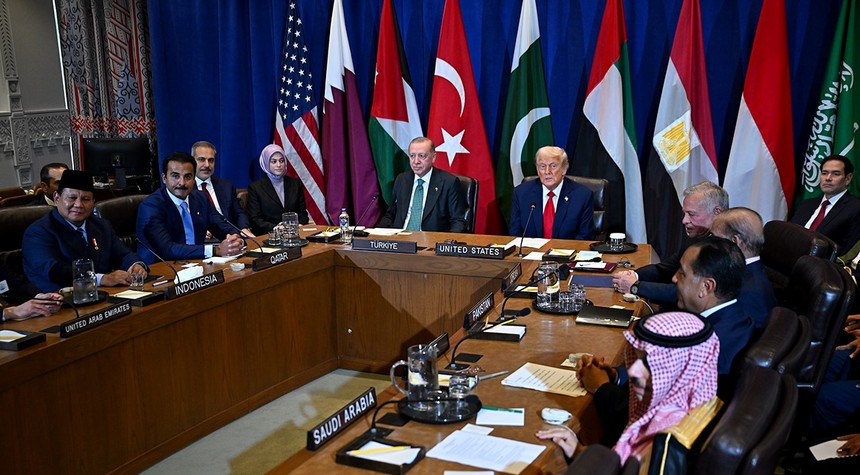
Middle East Leaders Gather at United Nations Amid Regional Upheaval
NEW YORK — The deliberations of the United Nations General Assembly this week will focus intently on the Middle East, as regional leaders convene in New York seeking answers about the future of a region transformed by months of conflict with Iran, escalating Houthi aggression, and continuing instability in Gaza.
The annual General Debate, commencing Tuesday, will feature addresses from leaders of Jordan, Türkiye, Qatar, and Egypt. Israeli Prime Minister Benjamin Netanyahu is also scheduled to attend. President Donald Trump plans to meet with Gulf leaders on the sidelines of the assembly to discuss the Iran conflict and regional security concerns.
U.S. Ambassador to the United Nations Mike Waltz characterized these meetings as essential opportunities for diplomacy, emphasizing the administration’s commitment to hearing directly from Gulf partners about their strategic concerns.
The strategic calculus of the Middle East has shifted dramatically in recent months. Richard Goldberg, a senior adviser at the Foundation for Defense of Democracies, notes that the conflict with Iran has fundamentally altered the region’s landscape, creating unprecedented opportunities for energy cooperation and closer ties between Israel and its Arab neighbors.
“The opportunity for regional integration and normalization works alongside energy infrastructure meeting the moment, the crisis of needing bypasses for Hormuz,” Goldberg explained. He described potential pipeline networks that could transport Gulf energy overland to the Mediterranean, possibly through Israel, thereby reducing reliance on vulnerable maritime routes.
Such infrastructure development could render the Strait of Hormuz less critical to global energy markets. Goldberg outlined possibilities for energy connections between Saudi Arabia and Israel, as well as routes linking Qatar to Mediterranean ports.
However, threats to regional energy supplies have expanded beyond Hormuz. The Houthis have launched an offensive along Yemen’s Red Sea coast, raising alarm over the security of Bab el-Mandeb, another vital maritime chokepoint through which significant portions of global commerce pass.
Analysts at the Washington Institute noted in a September 11 assessment that this offensive has shattered the previous status quo along Yemen’s coastline, creating additional vulnerabilities for international shipping already strained by regional instability.
The convergence of these challenges presents both risks and opportunities for the region. Arab leaders arriving in New York face questions about how their nations will navigate this transformed landscape. The Iran conflict has imposed considerable costs on Tehran’s regional proxy networks, potentially opening space for diplomatic initiatives that seemed improbable just months ago.
Yet uncertainty remains about American intentions and the durability of any regional arrangements. Gulf states seek clarity on Washington’s long-term commitment to regional security and its vision for post-conflict stabilization.
The coming days at the United Nations will provide a critical forum for these conversations. The meetings between President Trump and Gulf leaders will offer insight into whether shared concerns about Iranian aggression and threats to commercial shipping can translate into concrete cooperation.
For decades, the Middle East has defied predictions of transformation. The current moment presents genuine possibilities for regional realignment, but also carries substantial risks. The discussions in New York this week may determine whether the region emerges from this period of conflict with new frameworks for cooperation, or whether old divisions reassert themselves once immediate threats recede.
What remains certain is that the decisions made in the coming months will shape the Middle East for years to come, with profound implications for global energy markets, international security, and American interests in this vital region.
Related: Democratic Veterans Press Trump to Confront China Over Iranian Satellite Support