
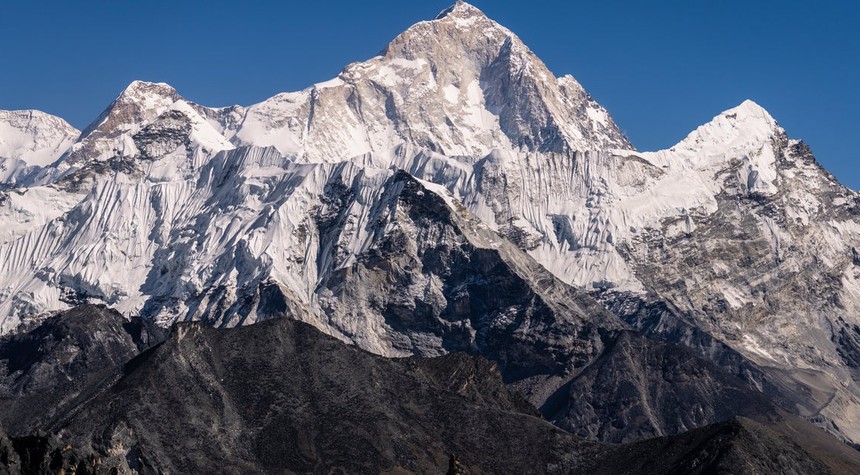
The Himalayas have claimed another life in what is shaping up to be a deadly spring climbing season. Shelley Johannesen, a 53-year-old American mountaineer, died Monday when an avalanche struck her during descent from the summit of Mount Makalu, the world’s fifth-highest peak.
Johannesen, co-founder of the American outfitting company Dash Adventures, had successfully reached Makalu’s 27,838-foot summit before tragedy struck at approximately 23,600 feet. The avalanche hit just below Camp 3 as she made her way down the mountain with a three-member expedition that included her partner, David Ashley, and two Nepali guides.
Her death marks the fifth fatality in the Himalayas this season, following the deaths of David Roubinek, a 38-year-old Czech climber, and three Nepali guides. Johannesen’s body was recovered and transported to a hospital in Kathmandu on Monday.
Mount Makalu presents a formidable challenge even to experienced climbers. The steep, pyramid-shaped mountain southeast of Mount Everest is notorious for extreme weather conditions and its remote location, factors that contribute to its reputation as one of the most technically demanding climbs in the world.
The tragedy unfolds against the backdrop of an unprecedented surge in Himalayan mountaineering. Nepali authorities have issued more than 1,000 climbing permits this season across 30 mountains, including a record 492 permits for Mount Everest alone. Makalu has drawn 72 permitted climbers this spring.
Nepal, which hosts eight of the world’s ten highest peaks, has become a magnet for mountaineers during the spring and autumn climbing seasons. The influx brings vital tourism revenue to the impoverished nation, but the increasing numbers raise questions about safety and mountain management.
Ashley expressed his grief in a statement Tuesday, describing Johannesen as an extraordinary individual who pursued her passions without reservation. Her death serves as a stark reminder that even successful summit attempts carry mortal risk, particularly during the descent when exhaustion and changing conditions can prove fatal.
The climbing season is still in its early stages, and the mounting death toll has cast a shadow over what many hoped would be a triumphant year for Himalayan mountaineering. As more climbers arrive to attempt these formidable peaks, the balance between adventure tourism and safety management remains a critical concern for Nepali authorities and the international climbing community.
The dangers are well known to those who venture into these extreme altitudes, yet the call of the world’s highest peaks continues to draw hundreds willing to risk everything for a chance to stand atop the roof of the world.
Related: Nigel Farage’s Reform UK Delivers Crushing Blow to Starmer’s Labour Government