
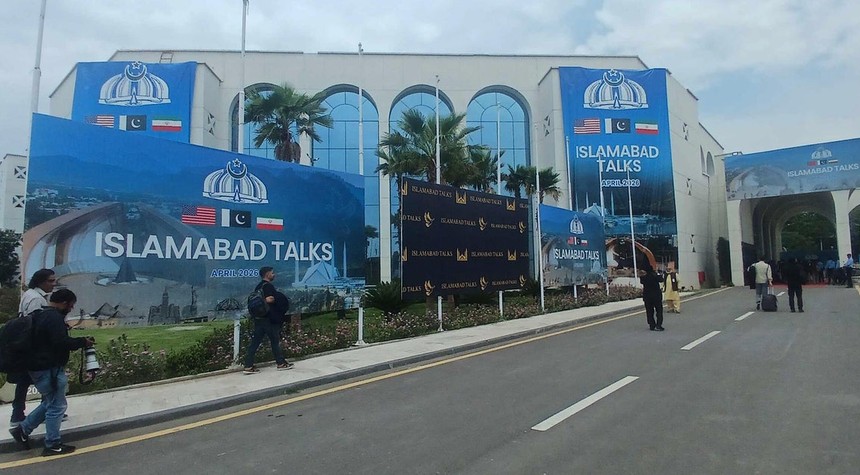
American intelligence officials have confirmed that Pakistan permitted Iranian military aircraft to utilize its airfields during the ceasefire period earlier this spring, raising questions about the dual role Islamabad played while simultaneously positioning itself as a neutral diplomatic intermediary between Washington and Tehran.
According to multiple United States officials familiar with the intelligence assessments, Iran dispatched several aircraft to Pakistan Air Force Base Nur Khan in the days following President Trump’s announcement of a ceasefire with Iran in early April. The installation, located adjacent to the garrison city of Rawalpindi, received at least one Iranian Air Force RC-130, a specialized reconnaissance variant of the Lockheed C-130 Hercules tactical transport aircraft designed for intelligence gathering operations.
The movement of these assets appears to have been part of a broader Iranian strategy to protect remaining military and aviation capabilities from potential American airstrikes. Iran simultaneously relocated civilian aircraft to neighboring Afghanistan, though American officials could not confirm whether military aircraft were concealed among those civilian flights.
The revelation presents a troubling contradiction. While Pakistan publicly offered its services as an honest broker working toward de-escalation between the United States and Iran, it was quietly providing material assistance that could preserve Iranian military capabilities for future operations against American interests or allies in the region.
Pakistani officials have disputed the American assessment. A senior Pakistani official challenged the plausibility of concealing a significant aircraft presence at Nur Khan Air Base, noting its location in a densely populated urban area where such activity would be visible to civilian observers.
The Pakistani Ministry of Foreign Affairs issued a formal statement acknowledging the presence of Iranian aircraft on Pakistani soil, but characterized their purpose differently. The ministry maintained that these aircraft arrived during the ceasefire period to facilitate potential diplomatic movements, including the transportation of negotiating teams and security personnel should peace talks resume. The statement emphasized that Pakistan has acted as an impartial facilitator throughout the process and has maintained transparency with all relevant parties.
The Afghan dimension of this story adds another layer of complexity to regional dynamics. According to an Afghan civil aviation official, an Iranian civilian aircraft operated by Mahan Air arrived in Kabul shortly before hostilities commenced. When Iranian airspace closed, the aircraft remained grounded at Kabul’s airport. Subsequently, when Pakistan conducted airstrikes on Kabul in March amid escalating tensions with the Taliban government over allegations of harboring the militant group Tehrik-e-Taliban Pakistan, Afghan civil aviation authorities relocated the Iranian aircraft to Herat Airport near the Iranian border to protect it from potential damage.
These developments underscore the intricate web of regional relationships and competing interests that complicate American strategic objectives in South and Central Asia. Pakistan’s apparent willingness to provide sanctuary for Iranian military assets while simultaneously offering diplomatic services to Washington raises fundamental questions about the reliability of Islamabad as a partner in regional security matters.
The situation demonstrates the challenges facing American policymakers as they navigate relationships with nations that maintain complex, sometimes contradictory positions in regional conflicts. It also highlights the sophisticated methods nations employ to preserve military capabilities during periods of heightened tension, utilizing diplomatic cover and regional partnerships to shield assets from potential strikes.
Related: Maritime Intelligence Identifies New Suspected Oil Spill in Persian Gulf Waters