
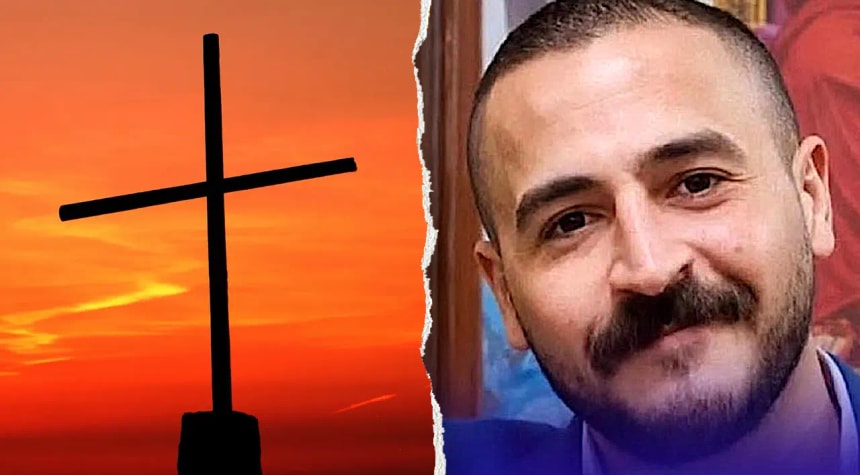
The United States State Department has escalated its diplomatic pressure on Egypt regarding the imprisonment and potential execution of an Egyptian national who converted from Islam to Christianity. The case of Said Mansour Rezk Abdelrazek has emerged as a significant test of religious liberty in a nation that receives substantial American financial support.
Egypt, a predominantly Muslim country of 120 million people, accepts approximately 1.3 billion dollars annually from the United States. The case has drawn attention not only in Washington but also in Britain and throughout international Christian communities, raising fundamental questions about religious freedom in the Middle East.
A State Department spokesperson confirmed that American officials are closely monitoring Abdelrazek’s trial. The spokesperson emphasized that religious freedom constitutes a fundamental human value and stated that the United States encourages the Egyptian government to protect the religious freedom rights of all its citizens.
The circumstances surrounding Abdelrazek’s detention have grown increasingly grave. He faces either execution or a twenty-five year prison sentence for his 2016 conversion to Christianity. His attorney, Said Fayez, reports that prosecutors presented closing arguments in early November requesting the maximum penalty prescribed under Egyptian law.
Egyptian security officers arrested Abdelrazek from his home in Cairo in July of last year. Following nine months of pretrial detention, authorities referred him to trial before the Terrorism Circuit of the First Criminal Court in Badr. The charges against him include contempt for Islam, inciting unrest, and spreading false information. Prosecutors have also alleged membership in a banned terrorist organization, though they have yet to name which organization they claim he joined.
His defense counsel and human rights advocates note that no known terrorist group associated with Christians appears on Egypt’s official list of proscribed organizations. The defense is scheduled to present closing arguments on December 8.
Abdelrazek’s fiancée, Sophia, an Australian-Egyptian citizen who has withheld her surname due to serious threats against her safety, has mounted an international campaign for his release. She has appealed directly to government officials, pleading for his freedom.
Lindsay Rodriguez, representing Coptic Solidarity, expressed deep concern that Egyptian prosecutors seek the maximum penalty in a case that has become a crucial test of religious freedom and judicial impartiality in Egypt. Rodriguez noted that religious remarks attributed to the judge during a November hearing have heightened concerns about whether a Christian convert can receive genuinely impartial treatment in the Egyptian judicial system.
Human rights organizations have called upon the United States, the European Union, and Australia to treat the December 8 hearing as a definitive measure of Egypt’s commitment to upholding basic religious freedom and fair trial standards. Australia faces particular responsibility in this matter, advocates argue, given that Abdelrazek’s fiancée holds Australian citizenship.
Egypt’s Christian community, predominantly Coptic Orthodox, comprises approximately ten percent of the nation’s population. The outcome of this case will likely influence international perceptions of religious liberty protections in Egypt and may affect the country’s diplomatic and financial relationships with Western nations.
The Egyptian Embassy in Washington and the Foreign Ministry in Cairo have not responded to requests for comment on the case.
Related: France Deploys Troops to Ukraine for Equipment Training as Peace Talks Begin