
The Trump administration’s two-month campaign of military and economic pressure against Iran has yet to produce the diplomatic breakthrough American officials anticipated, despite the elimination of Supreme Leader Ali Khamenei and significant disruption to the regime’s operations.
Secretary of State Marco Rubio emphasized this week that the United States cannot permit Tehran to normalize its control over international waterways, speaking after President Trump canceled a planned diplomatic mission to Pakistan. That decision reportedly prompted Iran to present what officials described as a more substantive negotiating proposal, though significant gaps remain between the two nations.
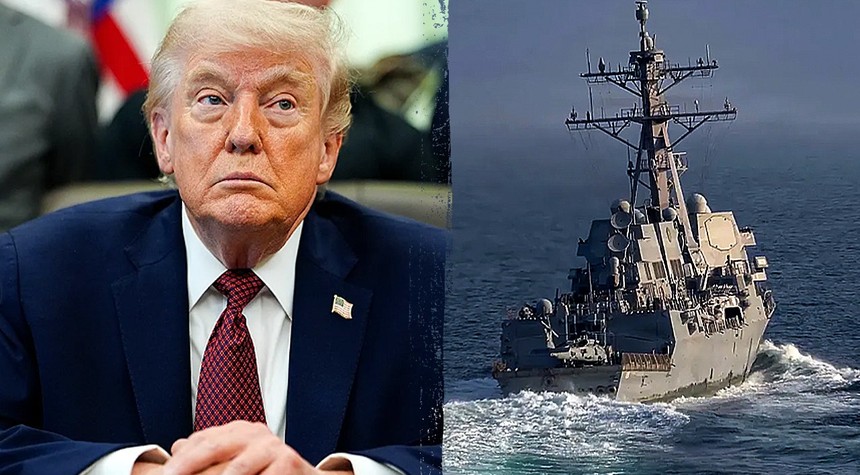
The American strategy has combined intensive military strikes with comprehensive economic isolation. Recent weeks have seen escalated targeting of Iran’s oil export infrastructure and financial networks, while a naval blockade has severely disrupted commercial shipping through the Strait of Hormuz. This narrow waterway serves as a critical artery for global energy flows, and its closure has sent ripples through international markets.
United States military forces succeeded in eliminating Khamenei along with dozens of senior military and political figures within the Iranian government. Yet the regime itself has demonstrated remarkable institutional resilience. Mojtaba Khamenei, the late Supreme Leader’s son, was swiftly selected as successor, and the government’s hardline orientation remains unchanged.
Aaron David Miller, who served as a Middle East negotiator and now holds a position with the Carnegie Endowment, suggested the administration may have miscalculated the nature of its adversary. The White House appears to have anticipated a more pliable negotiating partner, perhaps comparable to more pragmatic regional actors. Instead, American officials now face a regime displaying the uncompromising character of North Korea’s leadership.
The fundamental question facing policymakers is whether sustained pressure can be converted into meaningful political concessions, or whether Iran’s capacity to absorb and circumvent these measures will ultimately dilute their effectiveness. Thus far, analysts observe that Tehran has proven more adept at managing pressure than Washington has been at translating that pressure into durable diplomatic gains.
Miller expressed skepticism about achieving decisive results while the current Iranian government remains in power, noting plainly that the United States lacks the capacity to remove the regime entirely.
Iran presented a proposal Monday offering to reopen the Strait of Hormuz in exchange for relief from the naval blockade, while deferring discussion of more contentious matters. However, this offer may not represent the convergence it appears to be on the surface. The definition of what constitutes reopening the straits may differ substantially between Washington and Tehran, creating potential for misunderstanding or deliberate ambiguity.
At the heart of this standoff lies Iran’s nuclear program, where positions remain far apart. The Trump administration has demanded complete elimination of Iranian uranium enrichment capabilities. Tehran insists that enrichment represents a sovereign right that cannot be negotiated away. This fundamental disagreement leaves precious little space for compromise.
The coming weeks will test whether American resolve and Iranian resilience can find some middle ground, or whether this confrontation will settle into a prolonged stalemate with global implications. What remains clear is that neither bombing campaigns nor economic blockades have yet forced the concessions the administration seeks, and the path forward grows increasingly uncertain.
Related: Rudd Says Green Energy Transition Risks Losing Public Trust Without Lower Prices and Job Growth