
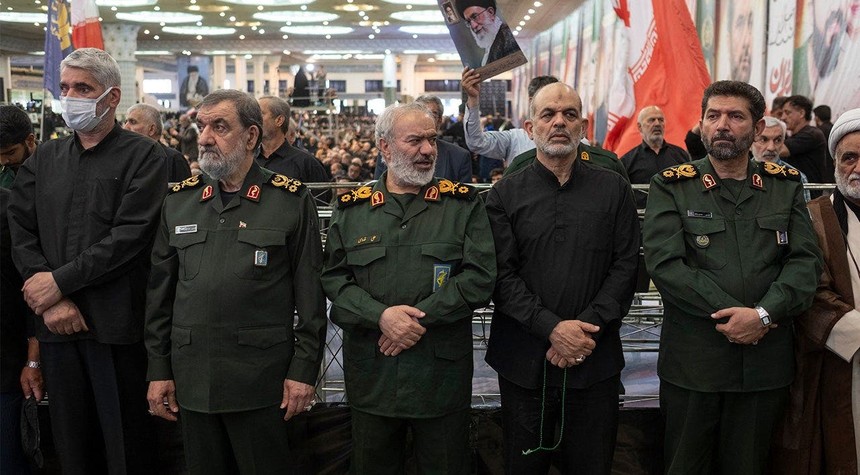
The United States has delivered an unambiguous message to Tehran: continued malign activities will bring consequences. This warning comes as foreign ministers from the world’s largest economies convened in Atlanta, Georgia, for the G20 summit, and as intelligence reports indicate Iran has significantly escalated efforts to target American personnel abroad.
State Department principal deputy spokesperson Tommy Pigott articulated the administration’s position with measured clarity. “The Iranian regime has had a choice,” Pigott stated, “to either pursue the path towards normalcy, towards prosperity for their people, the path towards diplomacy. Or they can continue their malign activities, but there will be consequences for that, and we’ve seen the president taking concrete action.”
The statement carries particular weight given the current intelligence landscape. Director of National Intelligence Jay Clayton informed Secretary of State Marco Rubio in an unclassified memorandum that Iran has substantially increased efforts to target American personnel, with lethal plots reaching advanced stages in the Middle East and beyond.
The timing proves significant. With the 2026 midterm elections approaching and ongoing conflict in the Middle East, American officials have quietly briefed regional partners on the possibility of heightened military action against Iran following Tuesday’s elections. According to diplomatic sources, the administration has not made final decisions regarding renewed strikes, but prudent preparation requires allies understand potential scenarios, including Iranian retaliation.
President Donald Trump maintains his characteristically deliberate approach to military action. While diplomacy remains the preferred path, the administration has demonstrated willingness to employ force when American interests and personnel face genuine threats. The president’s record shows a pattern of measured response rather than precipitous action, but also an unwillingness to tolerate direct threats to American lives.
The G20 gathering in Atlanta provided an appropriate venue for discussing these transnational threats. When asked whether intelligence regarding Iranian plots was being shared with allied nations to disrupt potential attacks, Pigott declined to discuss specific intelligence matters but affirmed the administration’s commitment to international cooperation.
“We’re going to work with our partners to make sure that any transnational threat has the appropriate transnational response to protect our citizens,” Pigott emphasized.
The Iranian regime stands at a crossroads. The path toward diplomatic normalization and economic prosperity for its people remains open. The alternative path, continued support for terrorist activities, threats against American personnel, and destabilizing actions throughout the Middle East, will bring consequences the regime may find unpalatable.
The situation recalls fundamental principles of American foreign policy. The United States does not seek conflict, but neither will it shrink from defending its citizens and interests. The choice, as it has been throughout this administration, rests with Tehran.
As G20 ministers departed Atlanta, the message remained clear. The international community watches Iran’s next moves with keen interest. The regime’s leadership must decide whether they will choose the prosperity and stability their people deserve, or continue down a path that serves neither Iran’s interests nor regional peace.
That is the way it is, and Tehran would do well to recognize the moment for what it represents: an opportunity that may not present itself indefinitely.
Related: Private Donors Fund Purchase of 50,000-Acre Queensland Cattle Station for Wildlife Conservation