
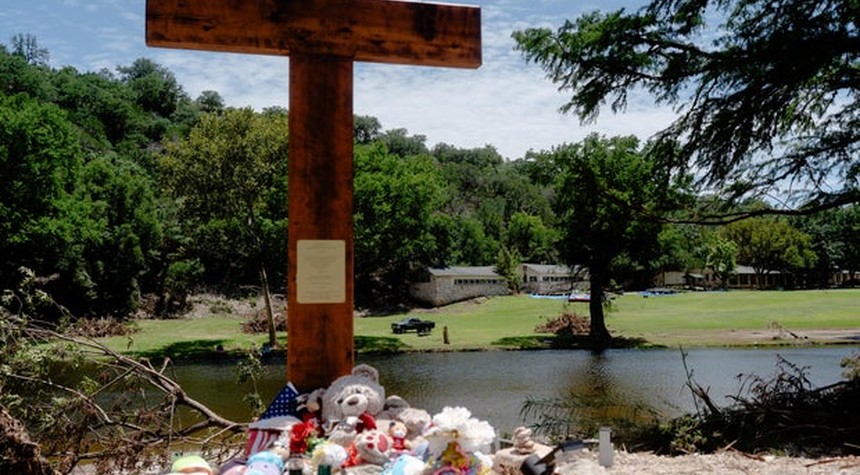
Authorities in Texas have begun releasing hundreds of emergency calls from the catastrophic flash floods that swept through Hill Country on Independence Day, claiming more than 130 lives in what stands as one of the deadliest natural disasters in recent state history.
Kerrville Police Chief Chris McCall issued a sobering warning to the public regarding the nature of these recordings. The calls are deeply distressing, he stated, and some of those who reached out to emergency services that morning did not survive. The chief requested that citizens keep the victims, their families, and loved ones in their thoughts and prayers as the community continues its difficult healing process.
The timeline of events reveals the overwhelming challenge faced by emergency personnel. Beginning at 2:52 a.m. on July 4, the Kerrville Police Department dispatch center, staffed by only two individuals at that hour, began receiving distress calls. Over the following hours, dispatchers fielded a total of 435 emergency calls. The volume reached its peak between 5 a.m. and 6 a.m., when 106 calls came in during that single hour alone.
Chief McCall commended his dispatchers for demonstrating what he termed “incredible perseverance” under extraordinary circumstances. These professionals worked to provide assistance and comfort to every caller, but faced agonizing decisions as the crisis intensified. Once they had collected critical information and exhausted all possible telephone assistance, dispatchers were forced to disconnect and move to the next desperate caller waiting on the line.
The decision to release these recordings came after consultation with the Texas Attorney General’s Office. Officials determined that all calls should be made public without redaction to comply with Freedom of Information Act requests submitted by eight media organizations.
The Guadalupe River in Kerr County bore the brunt of the tragedy. Among the deceased were at least 27 campers and staff members from Camp Mystic, with many victims being the camp’s youngest attendees. This particular loss has struck the community with special force.
Legal action has followed in the wake of the disaster. Last month, families of several campers and counselors filed suit against the camp and its ownership, alleging gross negligence and reckless disregard for the safety of those in their care. In response, Camp Mystic announced earlier this month the installation of new high-technology river monitoring systems and additional safety measures.
The Hill Country region’s vulnerability to such events is well documented. The area’s geography makes it naturally susceptible to flash flooding. The dry, compacted soil characteristic of the region cannot adequately absorb heavy rainfall, creating conditions where water accumulates and moves with deadly speed.
As the community works through this tragedy, Chief McCall emphasized the importance of emotional well-being for all residents. He expressed pride in the strength and resilience demonstrated by the community and the care shown for those who were lost.
The release of these emergency calls serves as a stark reminder of the human cost of natural disasters and the split-second decisions required of those who serve on the front lines of emergency response. And that is the way it is.
Related: Western Nations Unite in Concern Over China’s Global Ambitions