
The United States Treasury Department announced Thursday a significant expansion of economic sanctions against Cuba, targeting the island nation’s president, members of the Castro family, and key governmental institutions in what represents the most aggressive American posture toward Havana in years.
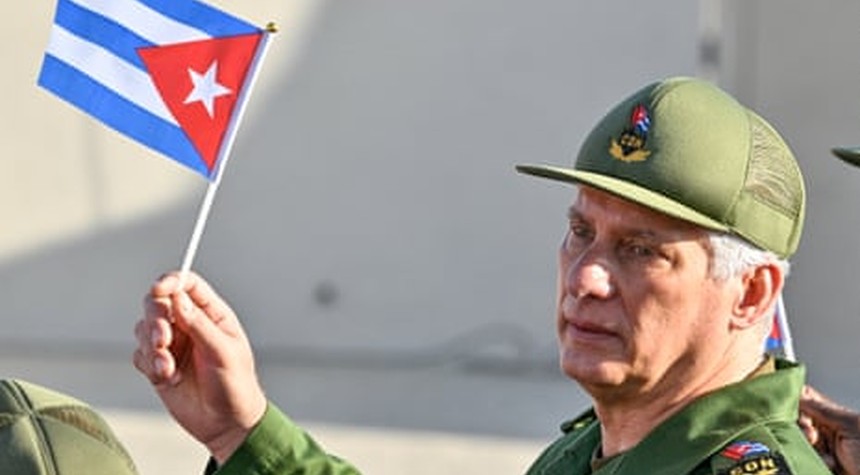
The sanctions designate Cuban President Miguel Diaz-Canel, his wife, and his stepson, marking a notable escalation in direct action against the country’s current leadership. Also sanctioned were the son and grandson of former President Raúl Castro, who, despite holding no official government position, continues to wield considerable influence over the communist nation’s strategic direction.
Secretary of State Marco Rubio delivered an unambiguous message regarding the administration’s intentions. The United States, he stated, is targeting the network that enables and funds Cuba’s subversive and radical operations. America will no longer tolerate radical Marxist regimes exporting their poisonous revolution to American shores or elsewhere in the hemisphere.
The sanctions extend beyond individuals to encompass institutional targets. The Ministry of the Revolutionary Armed Forces, the Cuban Institute of Friendship with the Peoples, Amistur Cuba, and the Committees for the Defense of the Revolution now face American economic restrictions. Rubio emphasized that any entity providing services to these sanctioned actors risks sanctions themselves, warning foreign banks and companies to freeze activities with these designated entities.
While the United States has maintained an embargo against Cuba for decades, the current administration under President Donald Trump has dramatically intensified economic pressure in recent months. A de facto fuel blockade has exacerbated the island’s ongoing energy crisis and dealt severe blows to an already fragile economy. The president has publicly discussed the possibility of taking control of the island, rhetoric that marks a significant departure from previous administrations’ approaches.
The timing and scope of these sanctions reflect a broader strategic calculation. Cuba has long served as a focal point of ideological and geopolitical tension in the Western Hemisphere. The Castro regime’s survival, despite economic hardship and international isolation, has represented both a practical challenge and a symbolic affront to American interests in the region.
The economic impact on ordinary Cubans cannot be understated. The combination of longstanding embargo provisions and newly intensified restrictions has created severe shortages of basic necessities. Energy blackouts have become routine, and the island’s capacity to generate foreign currency through tourism and other means has been substantially curtailed.
From Washington’s perspective, however, these measures represent necessary tools to combat what officials characterize as Cuban support for destabilizing activities throughout Latin America. The administration views the Castro family’s continued influence and the maintenance of communist governance as impediments to regional stability and democratic governance.
The international community watches these developments with considerable interest. European allies and Latin American neighbors have historically opposed American embargo policies, arguing that engagement rather than isolation serves democratic aims more effectively. Yet the Trump administration appears committed to a policy of maximum pressure, calculating that economic hardship will eventually force political change.
Whether this strategy will achieve its stated objectives remains an open question. What stands beyond dispute is that the relationship between Washington and Havana has entered its most contentious phase in decades, with consequences that will reverberate throughout the Caribbean and beyond.
Related: Two Killed in Kenya Protests Against American Ebola Isolation Facility