
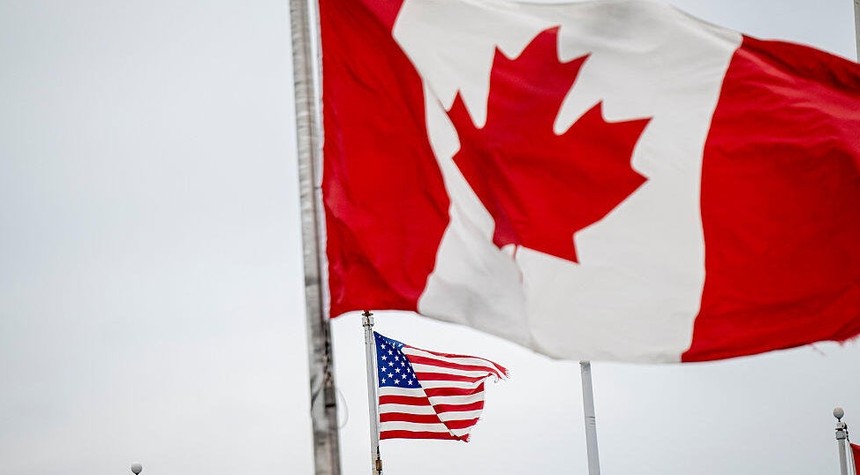
The United States imposed substantial tariffs on Canadian imports early Saturday morning after negotiations between the two nations failed to produce a resolution to their ongoing trade dispute. The 50 percent tariffs, affecting approximately $20 billion in Canadian products, represent a significant escalation in economic tensions between the longtime allies.
U.S. Trade Representative Jamieson Greer, speaking with reporters late Friday evening, explained that Canada had declined to finalize a trade agreement under terms both parties had previously discussed earlier in the week. There are no further negotiations currently scheduled between the two governments.
“After a year of that retaliation, we’ve said enough, and so we’ve taken countermeasures,” Greer stated. He emphasized that American interests center on protecting domestic workers and securing supply chains. According to Greer, the United States had offered Canada favorable terms on steel, automobiles, and lumber, but Canadian officials rejected the proposal.
Canadian Prime Minister Mark Carney announced Saturday that his government would implement retaliatory measures beginning September 8, the Tuesday following Labor Day. The Canadian response will target American steel, dairy products, appliances, agricultural equipment, pulp and paper, and electronics on a dollar-for-dollar basis.
President Trump responded Sunday morning, noting that Canada sought “the benefits of being a State, without being one” and referenced what he characterized as years of excessive Canadian tariffs on American agricultural products.
The breakdown in negotiations appears to stem from disagreements over the scope and terms of tariff reductions. Carney indicated that Canada had offered to eliminate remaining retaliatory tariffs on steel, aluminum, and automobiles if the United States would substantially reduce its own levies. Canada also proposed encouraging provincial governments to restore American alcohol sales.
However, according to Carney, Washington’s final demands exceeded what Canada considered reasonable. “They asked too much and offered too little,” the Prime Minister said. He characterized the American tariffs as designed to harm Canada and create internal divisions, calling them a miscalculation that would only strengthen Canadian unity.
A senior administration official in Washington confirmed that Canada had sought concessions on tariffs affecting steel, aluminum, automobiles, and lumber that the United States was unwilling to provide.
Carney placed responsibility for the negotiation’s collapse on what he termed last-minute changes to proposed American terms, which he described as unfair and economically unsound. These changes, he suggested, raised questions about whether any agreement with the current American administration could be considered reliable. He subsequently suspended negotiations and recalled Canada’s negotiating team to Ottawa.
The American tariffs will affect approximately five percent of annual Canadian exports to the United States, covering products from hockey equipment to medical supplies. While the direct economic impact may be measurable, the political consequences promise to be more substantial.
This trade dispute between two nations with deeply intertwined economies and shared security interests represents a departure from decades of generally cooperative commercial relations. The outcome of this confrontation will likely influence not only bilateral trade policy but also the broader framework of North American economic cooperation.
As both nations prepare for the implementation of these measures, the international community watches with concern. The resolution of this dispute, or its continued escalation, will set important precedents for how allied democracies manage economic disagreements in an increasingly complex global trading environment.
Related: Ukrainian Forces Field New Equalizer Bomb Amid Escalating Russian Air Strikes