
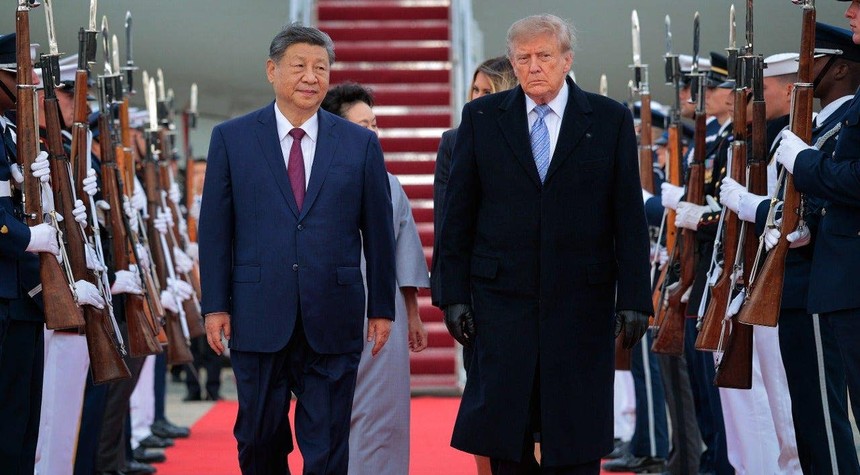
The United States and China have agreed to reduce tariffs on thirty billion dollars worth of goods traded between the two nations, marking the most significant easing of trade tensions since President Donald Trump initiated what has become an eighteen-month economic confrontation between the world’s largest economies.
The agreement emerged from a three-day summit between President Trump and Chinese President Xi Jinping in Washington, where both leaders and their respective trade teams negotiated terms that will provide relief to specific sectors while leaving broader trade disputes unresolved.
According to White House officials, the thirty billion dollars in reciprocal tariff reductions apply to what are being termed “non-sensitive goods.” American exports receiving favorable treatment in Chinese markets include agricultural products, fish and seafood, logs and wood products, cosmetics, and medical devices. Chinese exports to the United States that will receive preferential tariff rates include small appliances, toys, holiday decorations, and children’s car seats.
The framework for this agreement came through the newly established U.S.-China Board of Trade, a bilateral body first proposed during President Trump’s visit to China in May and formally created during President Xi’s visit to Washington this week. Treasury Secretary Scott Bessent and U.S. Trade Representative Jamieson Greer conducted the final negotiations with their Chinese counterparts in meetings that extended through the summit period.
Trade Representative Greer indicated Friday that additional details regarding the agreement will be released Monday, though neither government has yet disclosed the final tariff rates or the complete list of products receiving favorable status.
This development represents a considerable shift from the trajectory that defined much of the past year and a half. The trade conflict intensified dramatically in February 2025 when President Trump imposed a ten percent tariff on all Chinese imports, citing Beijing’s alleged role in America’s fentanyl crisis and concerns over illegal immigration. China responded with retaliatory tariffs on American coal, liquefied natural gas, crude oil, and automobiles.
The situation escalated further in April 2025 when American tariffs on Chinese goods reached one hundred forty-five percent following President Trump’s announcement of what he termed “Liberation Day” reciprocal tariffs. China answered with tariffs reaching one hundred twenty-five percent on American goods.
The path toward the current agreement began in Geneva in May 2025, where American and Chinese negotiators established a ninety-day truce that reduced American tariffs to thirty percent and Chinese tariffs to ten percent. That agreement received a ninety-day extension in August, providing the foundation for the more comprehensive negotiations that culminated in this week’s Washington summit.
The question facing analysts and business leaders now concerns whether this agreement represents merely a tactical pause in a longer strategic competition or signals a genuine shift toward sustained economic cooperation between Washington and Beijing. The fact that both governments have characterized the affected goods as “non-sensitive” suggests that more difficult questions regarding technology transfer, intellectual property protection, and access to strategic sectors remain unaddressed.
What remains clear is that both economies have felt the impact of eighteen months of escalating tariffs, and both governments evidently concluded that some measure of de-escalation served their respective national interests at this juncture.
Related: Spain Confronts Growing Housing Crisis as Disabled Woman Loses Home of Seven Decades