
The United States has revoked oil sanctions waivers granted to Iran following a series of attacks on commercial vessels in the Strait of Hormuz, marking a significant deterioration in the fragile framework agreement established just weeks ago.
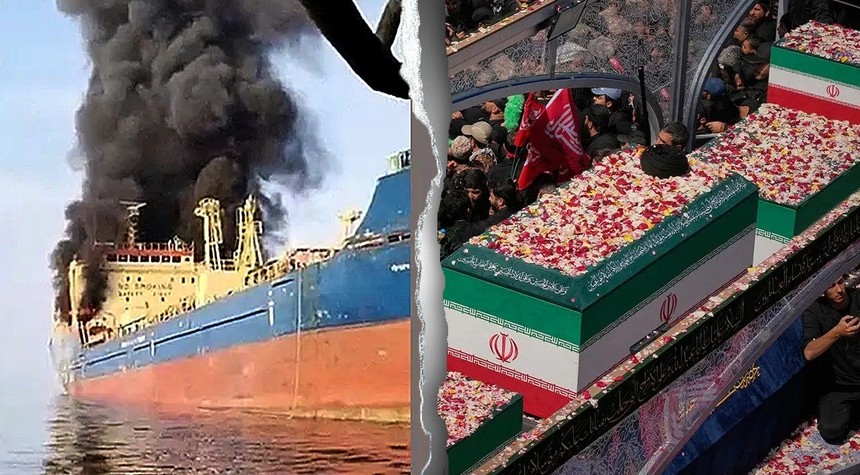
Three commercial vessels were struck by Iranian forces between Monday and Tuesday in one of the world’s most critical maritime passages, according to confirmation from U.S. officials. The attacks represent a clear violation of the memorandum of understanding signed in June, which established a 60-day negotiating period between Washington and Tehran.
The framework agreement had required both nations to halt military operations while pursuing broader peace negotiations. Iran specifically committed to reopening the Strait of Hormuz to commercial shipping in exchange for limited economic relief, including the oil sanctions waivers now being withdrawn by the Treasury Department’s Office of Foreign Assets Control.
A U.S. official stated that the memorandum of understanding remains entirely performance-based, with Iran receiving benefits only through demonstrated good behavior. The official characterized Iran’s actions in the Strait as wholly unacceptable and promised consequences, while affirming that American negotiators continue working in good faith toward a final agreement.
The timing of these attacks carries particular significance. President Donald Trump had previously indicated the United States had given Tehran “a week off” during funeral ceremonies for slain Supreme Leader Ali Khamenei, suggesting an informal period of restraint during the transition of Iranian leadership.
British maritime authorities confirmed the first attack occurred Monday when a vessel was struck by a projectile near the coast of Oman. Iranian state media reported the ship had ignored warnings from Iranian forces. The attack caused a fire aboard the vessel, though no immediate fatalities were reported.
The United Kingdom Maritime Trade Operations reported a second tanker was struck Tuesday while transiting the Strait. The vessel sustained what investigators believe to be structural damage, but again, no casualties or environmental impact were reported. The agency has advised vessels transiting the strait to exercise caution and report any suspicious activity as investigations continue.
The Strait of Hormuz serves as one of the world’s busiest maritime choke points, with approximately one-fifth of global oil consumption passing through its narrow waters. Any disruption to commercial shipping in this passage carries significant implications for international energy markets and global commerce.
The resumption of Iranian aggression against commercial vessels raises serious questions about Tehran’s commitment to the negotiating process and its willingness to honor international agreements. The framework deal represented a tentative step toward de-escalation between two nations with a long history of confrontation.
The revocation of sanctions waivers demonstrates the Trump administration’s willingness to respond swiftly to Iranian provocations while maintaining diplomatic channels. Whether this measured response will prove sufficient to deter further Iranian aggression remains to be seen.
As negotiations continue, the international community watches carefully. The stability of commercial shipping through the Strait of Hormuz affects nations far beyond the immediate region, making these developments a matter of global concern.
Related: Congressional Report Reveals Alleged Discrimination Against U.S. Firms in South Korea