
Colombia stands at a crossroads. The nation that has positioned itself as a global leader in environmental protection now faces an election that could fundamentally alter its approach to climate policy and natural resource management.
The stakes are considerable. Under President Gustavo Petro’s administration, Colombia has taken bold steps to protect the Amazon rainforest within its borders, declaring it a fossil fuel-free zone and implementing restrictions on mining operations. These policies have earned the nation international recognition and positioned it as what environmental advocates call a “great power for life” in the global climate discussion.
Yet Petro is constitutionally prohibited from seeking a consecutive second term. His party, Pacto Historico, has nominated Iván Cepeda to continue these environmental policies. Standing against him are candidates from the center-right and far-right who have expressed strong support for expanding oil production and introducing hydraulic fracturing operations.
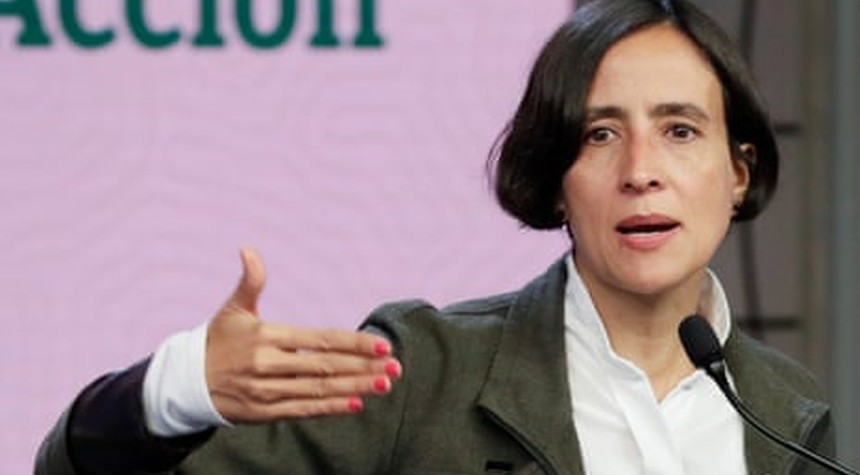
Susana Muhamad, who served as environment minister under Petro and has become a prominent figure in international climate negotiations, addressed supporters in a Caribbean neighborhood gathering. Her message was direct: the election represents a decisive moment not just for Colombian policy, but for the broader question of whether Latin American nations will align with American interests under the Trump administration.
The concern about American influence is not abstract. President Trump has discussed the possibility of military intervention in Colombia, raising questions about the degree to which Washington might seek to shape Colombian resource policy. For environmental advocates, this represents a clear threat to the progress achieved under the current administration.
Colombia’s role in climate policy extends well beyond its borders. Muhamad has represented the nation at major international forums, including the climate conference in Dubai and the biodiversity conference in Cali. The country has become a voice for what activists term “popular environmentalism,” an approach that combines environmental protection with social justice concerns.
The contrast with neighboring nations is striking. In Bolivia, the current government has allocated portions of the Junín River basin for lithium mining operations. In Ecuador, President Daniel Noboa has moved to weaken protections for indigenous lands and has reportedly considered allowing American military installations on the Galápagos Islands.
Vice President Francia Márquez exemplifies Colombia’s environmental commitment. She received the Goldman environmental prize for her work opposing illegal gold mining operations in La Toma, her ancestral community. Her presence in the administration underscores the degree to which environmental concerns have been integrated into the highest levels of Colombian government.
The question now is whether this integration will continue. Opposition candidates have made clear their intention to reverse course, reopening opportunities for fossil fuel extraction and mineral exploitation. For them, Colombia’s natural resources represent economic opportunity that current policies leave untapped.
Environmental advocates argue that the first round of voting will be critical. Without a decisive victory for Cepeda, they fear a prolonged campaign that could shift momentum toward candidates more favorable to extractive industries. Muhamad warned supporters that failure to win would mean a four-year suspension of environmental progress.
The international context adds urgency to these concerns. As the United States under Trump pursues policies favorable to fossil fuel development, the pressure on Latin American nations to follow suit intensifies. Colombia’s election will signal whether the region’s most prominent environmental advocate will maintain its position or join what critics describe as an alignment with American extractive interests.
The outcome will resonate far beyond Colombia’s borders, potentially influencing environmental policy across Latin America and affecting global climate negotiations for years to come.
Related: Ebola Outbreak in Congo Claims Over 130 Lives as American Physician Falls Ill