
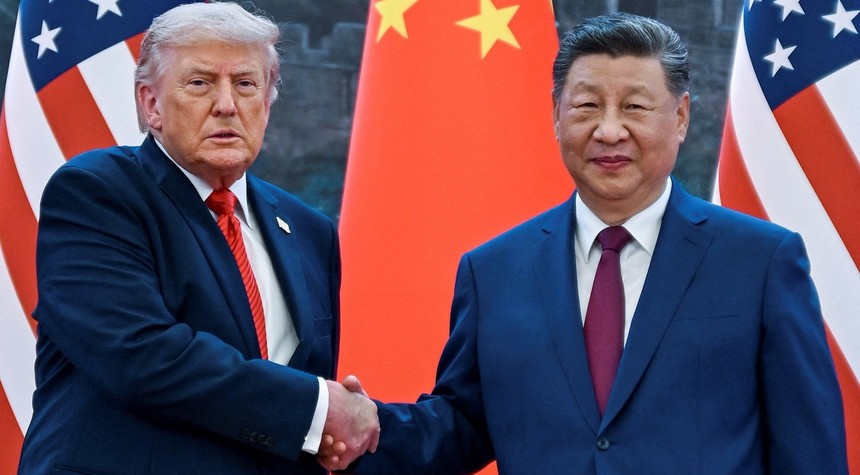
President Donald Trump and Chinese President Xi Jinping concluded a lengthy summit in Beijing that touched on the most sensitive issues dividing the world’s two largest economies, with Taiwan emerging as a potential flashpoint that could determine whether the relationship remains stable or deteriorates into open conflict.
The meeting, held in the Great Hall of the People, lasted more than two hours. According to China’s state broadcaster Xinhua, Xi delivered a stark warning to the American president: if the Taiwan issue is handled improperly, the two nations could come into conflict. However, Xi added that if managed properly, bilateral relations can remain generally stable.
The summit took place at a particularly critical juncture for American interests. The ongoing confrontation with Iran has created economic ripples felt by Americans at home, and China’s role as Iran’s principal oil consumer gives Beijing considerable influence over how that crisis unfolds.
Taiwan has long represented one of the most delicate aspects of Sino-American relations. The United States has maintained a careful balance for decades, acknowledging Beijing’s position while supporting Taiwan’s democratic government. Any shift in this equilibrium carries profound implications for regional stability and global commerce.
Despite the gravity of Xi’s warning, the official White House readout of the meeting made no mention of Taiwan. A White House official characterized the meeting as productive, though the omission suggests the administration may be treading carefully on this sensitive matter.
The two leaders did find common ground on Iran. Both agreed that the Strait of Hormuz must remain open to ensure the free flow of energy, a position China has consistently maintained. Xi expressed opposition to any militarization of the strait or efforts to impose tolls on its use. In what could represent a significant shift in global energy markets, the Chinese president indicated interest in purchasing more American oil to reduce his country’s dependence on the strait. Both nations agreed that Iran must never possess nuclear weapons.
The summit also addressed fentanyl trafficking, economic cooperation, and increased Chinese purchases of American agricultural products. These issues carry substantial weight for American farmers and communities devastated by the opioid crisis.
Before substantive discussions began, Trump offered effusive praise for his Chinese counterpart. “You’re a great leader. I say it to everybody,” Trump told Xi. “Sometimes people don’t like me saying it, but I say it anyway, because it’s true.” The president emphasized the personal relationship he has cultivated with Xi, noting that they have resolved difficulties through direct communication.
Xi, in his opening remarks, struck a more cautious tone. “We both stand to gain from cooperation and lose from confrontation,” the Chinese leader said. “We should be partners, not rivals. We should help each other succeed and prosper.”
The contrast between Trump’s personal warmth and Xi’s measured diplomatic language underscores the complex nature of this relationship. The United States and China are bound together by trade and investment worth hundreds of billions of dollars annually, yet they remain strategic competitors with fundamentally different political systems and global ambitions.
As this summit concluded, the path forward remains uncertain. Xi’s warning about Taiwan serves as a reminder that even as both sides seek economic cooperation, fundamental disagreements over sovereignty and regional influence could override commercial interests. How President Trump navigates these treacherous waters in the months ahead may well determine whether the twenty-first century witnesses cooperation or confrontation between the world’s two greatest powers.
Related: White House Signals Military Action May Resume as Iran Negotiations Falter